Life in Yendi and Sang
To fully comprehend the intersection of ancient customs, climate constraints, and systemic poverty in northern Ghana, one can examine the municipality of Yendi and the nearby town of Sang (the capital of the Mion District).
Yendi Population & Transport: The city is home to roughly 154,421 residents. Daily transport inside Yendi relies almost exclusively on a vibrant network of motorbikes and small scooters rather than cars.
Severe Yendi Poverty Metrics: Official metrics from the Ghana Statistical Service Municipal Multidimensional Poverty Report show that 38.3% of the community (over 58,000 people) live in deep multidimensional poverty. Impoverished individuals face a staggering 45.3% intensity of hardship.
The Compounded Strain in Sang: Located just west of Yendi, Sang serves as the rural administrative hub of the Mion District. Because Mion lacks the infrastructure of an established municipality like Yendi, its rural headcount is even more vulnerable. Local district indicators track a multidimensional poverty headcount exceeding 55% to 60%, driven heavily by severe electricity deficits and cooking fuel deprivations.
Perennial Water Crises: Both areas rank near the bottom of national water tables. During the harsh 4-month dry season, the primary lifeline—the River Daka—routinely dries up entirely. Residents must trek over 15 kilometers or buy expensive commercial tanker water.
Impact on Health and Schools: When the water dries up, the Yendi Hospital and rural health posts in Sang struggle severely with basic clinical hygiene. Local children frequently skip school because they spend their morning hours tracking down potable water.
Vulnerable Children and Orphans
National Scale: Across the country, the total population of orphans from all causes is estimated at roughly 1.1 million children.
Defining Orphanhood: Many "orphans" have one living parent who cannot afford care.
Root Causes: Poverty, HIV/AIDS, “spirit children” and medical crises drive child vulnerability.
Street Children: Urban poverty drives thousands of children to work on city streets.
The Ritual of "Spirit Children"
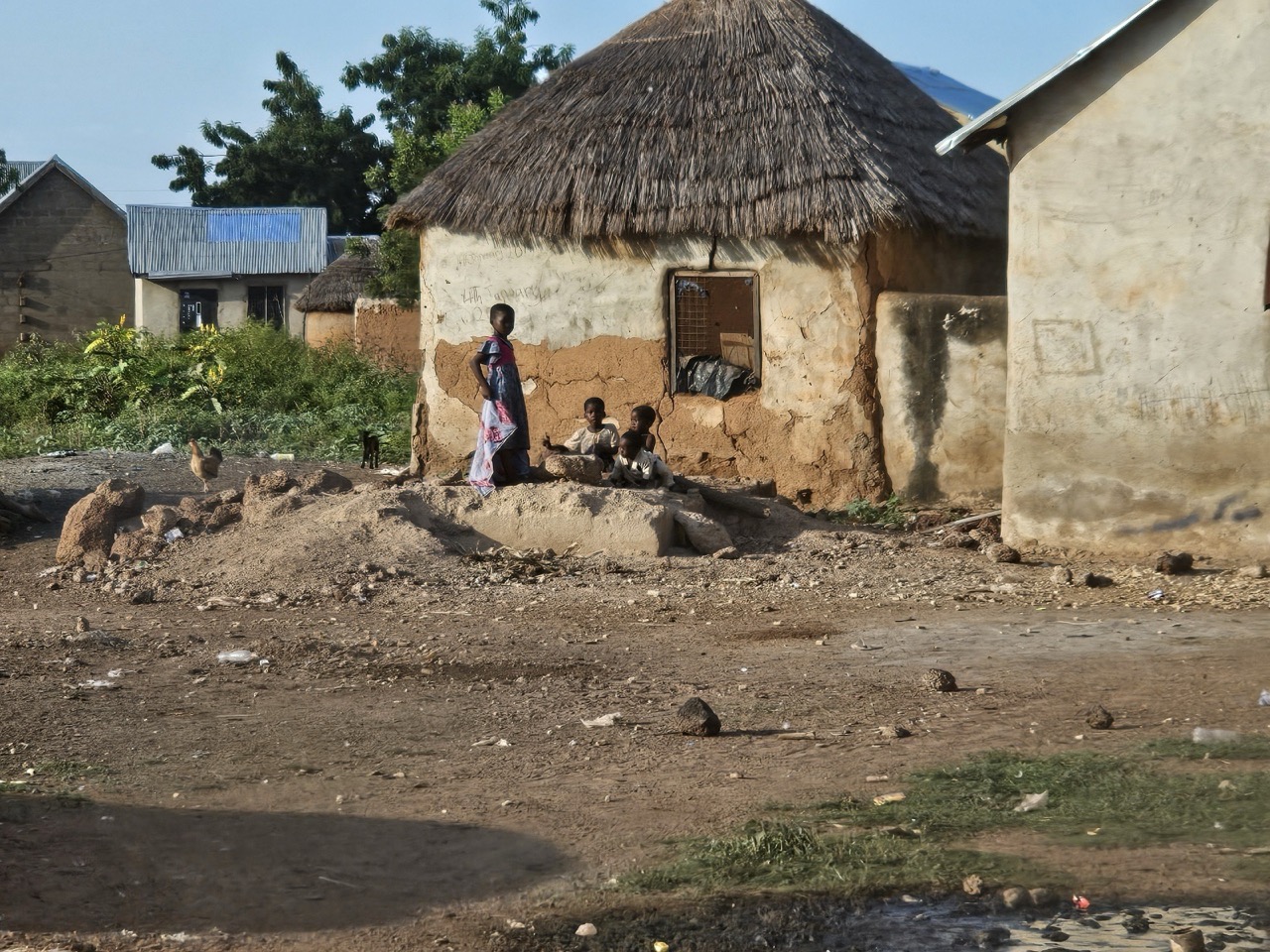
In certain remote, impoverished, rural communities of northern Ghana, there is a centuries-old belief system where children born with disabilities, unusual births, or those associated with tragedies are labeled as “spirit children.”
Traditional Belief: In certain rural communities in northern Ghana, children born with physical deformities or disabilities have historically been labeled as "spirit children" possessed by evil spirits.
Scapegoating Misfortune: Babies born during a cycle of severe family tragedy or economic hardship were also targeted.
Ritual Killings: To protect the community, elders known as "concoction men" were traditionally hired to administer fatal herbal poisons.
Although cited as a banned practice, this still exists in the outlying region of Yendi. Nazareth Home for God’s Children, founded by Sr. Stan Mumuni has rescued such children for over 20 years.
Geography, Demographics & Economy
Location, Climate, and Rainfall
Strategic Geography: Ghana sits just north of the Equator, bordering Côte d'Ivoire, Togo, and Burkina Faso.
Tropical Climate: The weather is hot and humid year-round, with average nationwide temperatures hovering around 26°C to 28°C.
Two Main Seasons: The country experiences a distinct rainy season and a dry season.
National Rainfall Metrics: On a national scale, Ghana receives a mean annual rainfall of roughly 1,180 mm to 1,200 mm- equal to 46 inches.
Population and Demographics
Total Population: The country's population is estimated at 35.7 million people.
Youthful Population: The median age is exceptionally low at 21.6 years old.
Diverse Ethnicities: approximately 80 different ethnicities are represented
Religious Harmony: The population is predominantly Christian, with a significant Muslim minority.
Urban Migration: Over half of the population (59.2%) lives in rapidly growing cities like Accra and Kumasi.
Economy and Poverty
Economic Divide: Strong growth contrasts with deep regional inequalities.
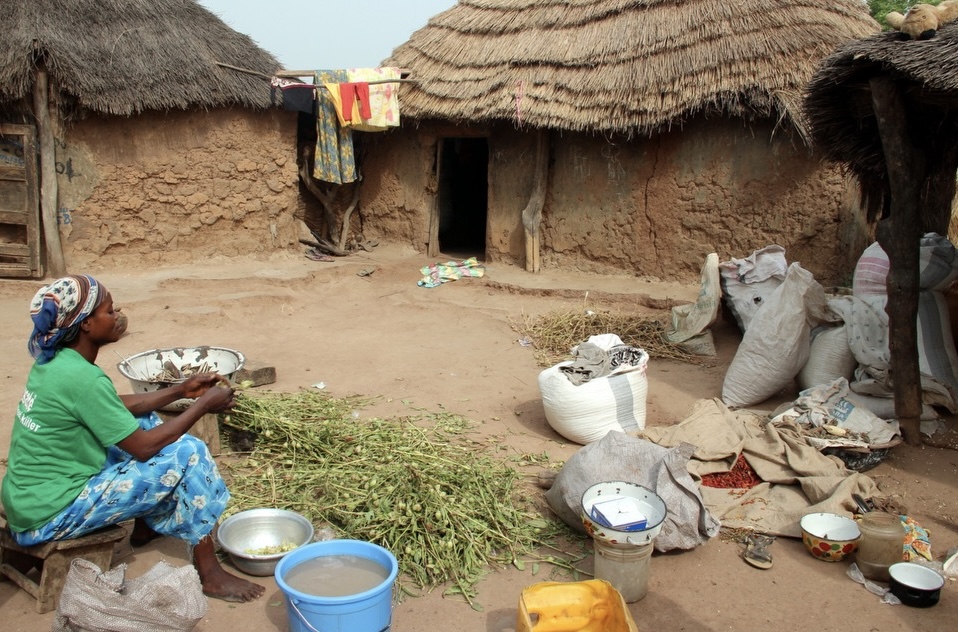
North-South Split: Despite nationwide improvements, severe economic hardship remains heavily concentrated in rural northern territories, where localized poverty rates frequently exceed 50% to 70%.
Cost of Living: High inflation in recent years has severely strained household food and energy budgets. Median monthly income is $67-$100 USD
Water and Sanitation
Water Infrastructure Gap: While basic water coverage spans roughly 87% to 88% of the population, millions still rely on unsafe surface water.
Urban vs. Rural Access: A stark divide exists; 98% of urban residents have basic water access compared to only 74% in rural areas.
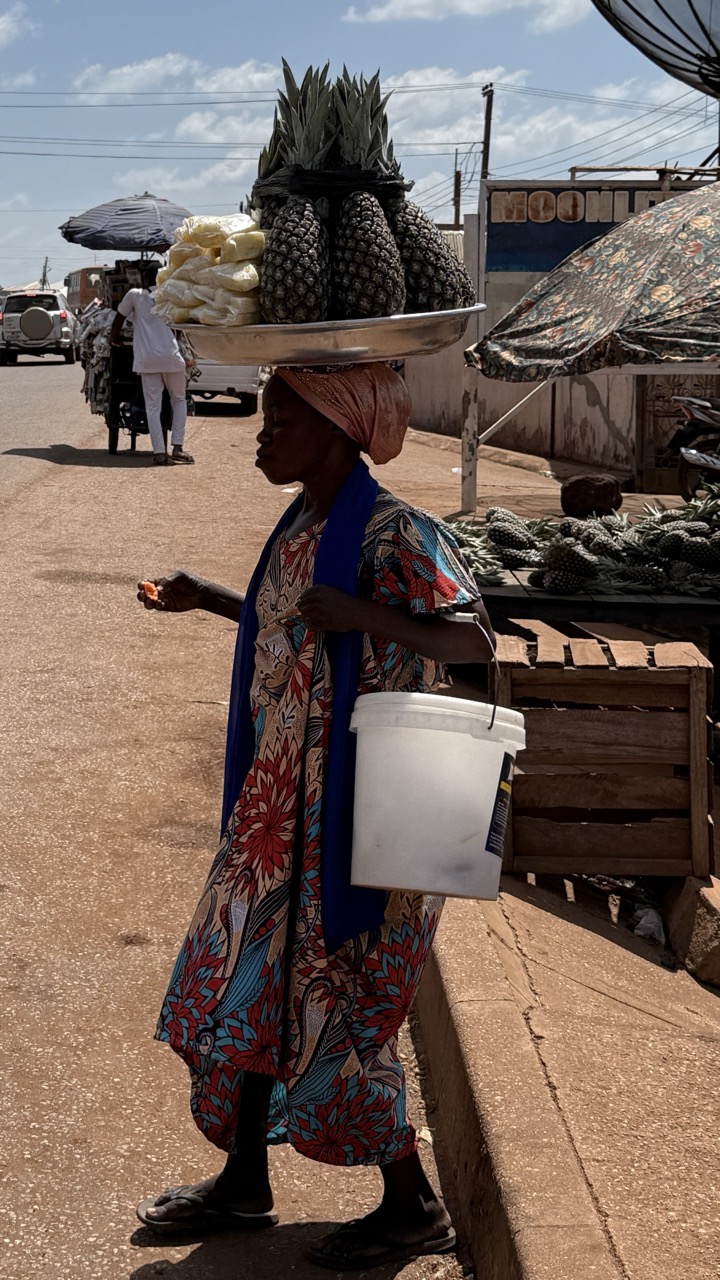
Food Security
Climate Pressures: Extreme weather like droughts and severe flooding heavily disrupts local farming.
Nutrition Disparities: Rural northern households struggle with seasonal food shortages far more than urban southern hubs.
Economic Bottlenecks: High food inflation limits what vulnerable families can purchase in open markets.
Healthcare System
Disease Burden: Preventable illnesses like malaria and waterborne diarrheal diseases remain major public health challenges.
Access Disparity: Advanced medical facilities are clustered in big cities, leaving rural clinics understaffed and short on supplies.
Education Rates
High Enrollment: Primary school enrollment sits near 90%.
Gender Disparity: Girls face lower enrollment rates in higher education.
Quality Challenges: Schools struggle with large class sizes and lack of textbooks.
Literacy Divide: The overall adult literacy rate is roughly 76.5% to 80%. However, regional disparities are drastic: the Greater Accra Region has a literacy rate of 87.9%, while the rural Savannah Region drops to just 32.8%.
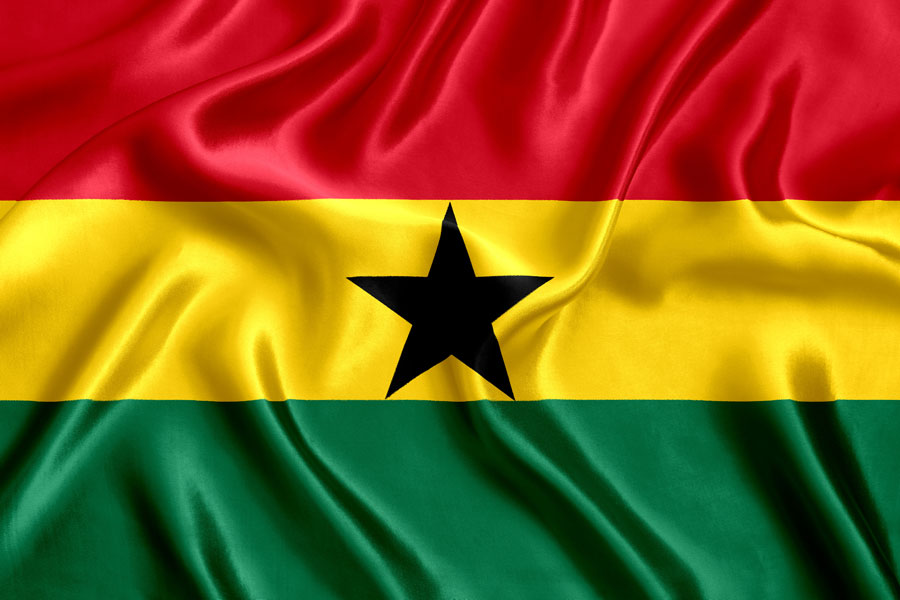
Red: Represents the blood, sweat, and sacrifices of those who fought and died during the country's struggle for independence from British colonial rule.
Gold (or Yellow): Symbolizes the country's vast mineral and natural wealth. Ghana's former colonial name, the Gold Coast, was a nod to this abundant resource.
Green: Represents the rich forests, natural landscapes, and fertile agricultural lands that provide prosperity and sustenance for the nation.
Black Star: Centered in the gold stripe, this is the "lodestar of African freedom". It represents the emancipation of Africa, the unity of African people, and was originally inspired by the Black Star Line founded by Marcus Garvey.